

Turkmenistan - Where’s Lolly ?
- 6 hours ago
- 15 min read
Turkmenbasy was founded by the Russians in 1869 who were looking for a port to set up on the Caspian Sea. The city was originally called Krasnovodsk or Kyzyl-Su, which means red water. Following independence, in 1993 the city was renamed after the first president of Turkmenistan, Turkmenbashi Saparmurat Niyazov who established a highly authoritarian state until his death in 2006. Turkmenbashi means 'Leader of the Turkmen' and his portraits and statues once appeared everywhere throughout the country (as seems to be happening over the pond at the moment). He renamed months of the year (very confusing for the population), public institutions and places after himself and family members. He wrote a book called the Ruhnama (Book of the Soul) which became compulsory reading at school.
The two subsequent presidents have maintained tight control over politics and the media.
As well as being an important sea port on the Caspian Sea, Turkmenbasy is the terminus of the Trans-Caspian railway and is the site of Turkmenistan's largest oil refining complex. Yasma took us for a tour of the city in the morning after he took us for breakfast at a nice modern European style cafe bar.
We kept coming across road closures all around the central area due to the impending visit from the current President. Everything was being given a coat of fresh white paint (even the curb stones) and new flowering plants were being planted everywhere.
Our first site visited was the Ethnographic History Museum. It was a small museum housed in an old fortress, but it was a good introduction to the history and present day culture of this region. The young lady showing us round, with Yasma translating, gave very enthusiastic explanations of the displays, which included the development of the port town, flora and fauna of the area, national dress and jewellery, carpets and artifacts produced in the region. A final room had photos of a group of nine sailors who in 1936 sailed local boats from Turkmenbasy up the Caspian sea, along the Volga River all the way to Moscow - 5000 km in total, all in single seater wooden boats. They became,and still are, local heros. We sadly don't have photos of the inside of the museum, as we were a bit surprised to be asked for a fee larger than the entrance fee to take photos and declined to pay.
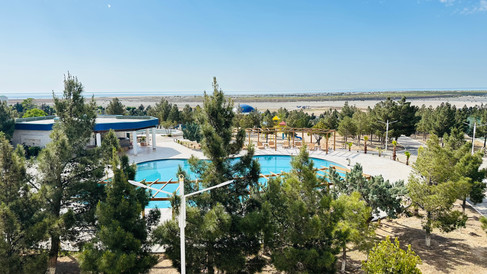
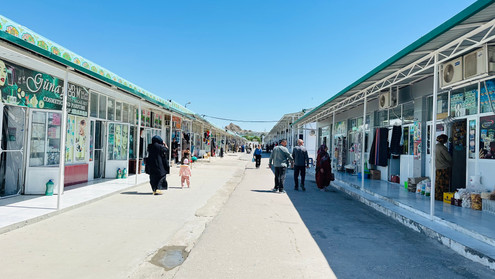
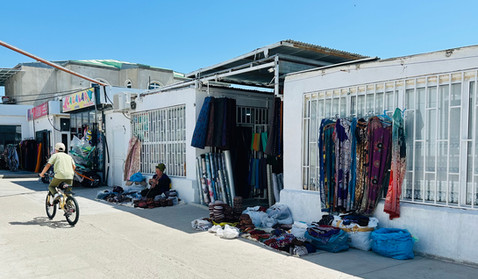
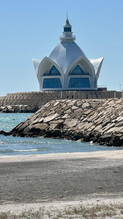
We had our next stop at the Old Church of Archangel Michael. We then had a stroll around the main bazaar in the town. Yasma was very keen to show us the Awaza Beach area, which is about 8km west of the centre. We were a bit confused why he said we must park up and take a taxi around the resort area. He said ordinary cars were forbidden to drive in this designated eco- zone, but, as we discovered, the taxis are ordinary vehicles. We parked at what looked like an airport parking area, and a taxi took us for a drive around the empty resort roads for around 45 minutes. Everything was totally manicured and pristine and there were countless ultra-modern hotels. Yasma said these were owned by the individual ministries in Turkmenistan (similar to the Russian Sanatoria) and workers and families will come for their holidays here. Tourists can also visit - Yasma brings his family here. We had a short stroll on the beach - the only people we saw were gardeners. It was certainly like no other beach resort we have ever seen.













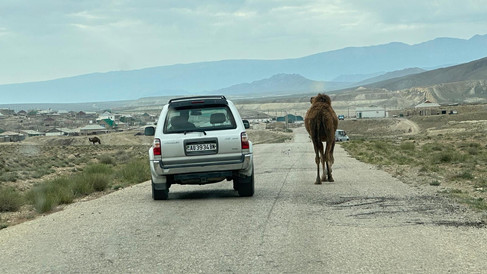
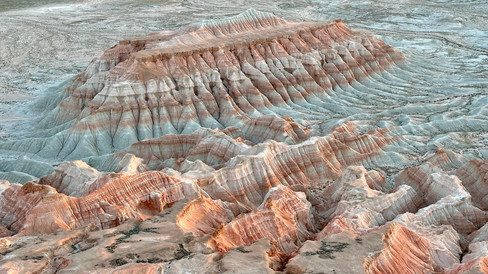
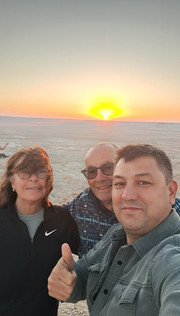
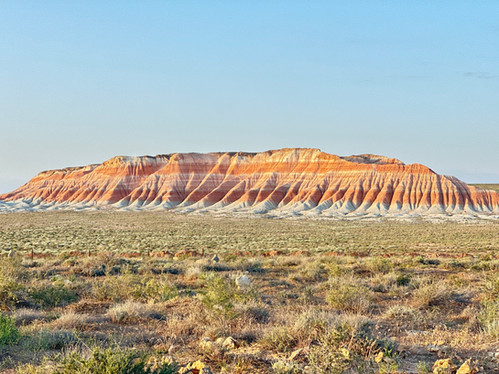
We were itching to set off to the Yangykala Canyon, a remote natural landscape where white, pink and green cliffs contrast with the desert scenery. Yasma suggested we get lunch first as there would be nowhere to eat near the canyon. It was quite late in the afternoon by the time we hit the road, and Yasma said maybe we would struggle to get there before sunset but we could go early in the morning instead. Yasma got his foot down and even the worsening of the road surface, which was covered in sand in many places, didn't slow him down. We dodged camels, sheep and donkeys and he said we may just make it for sunset. We saw the colourful cliffs in the distance and, after stopping for a few photos, he urged us to get back in the car as there was much better to come. We pulled off the main road and headed to some different viewpoints. The light was just perfect and, dare we say it, was even more stunning than the Mangystau canyons in Kazakhstan that had bowled us over. We stayed until the sun finally dipped below the horizon.












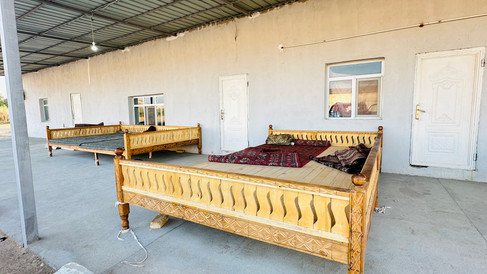
Our accomodation for this night was listed as being a guesthouse. It was dark by the time we reached it, but we knew it was in a fairly remote spot in the desert. We walked into the complex where there were a few large yurts where tourist groups were setting up bedding. A very loud American tour leader was giving instructions to his group, so we were relieved when Yasma said there was no space for us, so he'd take us to some other rooms in the Pilgrim Centre attached. He showed us to a spacious, plush carpeted room with stacks of bedding and we made ourselves comfortable. Yasma had gone to the mosque in the complex for his evening prayers, and returned later with some bowls of soup and green tea that the pilgrim centre provide their visitors. Yasma told us he'd spoken to the transporter driver and he had reached the border that evening and would be loading Lolly the following morning. Colin reminded him to ask the driver to drive very carefully on the rough roads.
We had an early night and slept really well on the comfortable mats and bedding with the temperature being just right.
We were up at dawn - Yasma had already packed away his bedding for his morning prayers. It's always nice when you've arrived somewhere in the dark to find out there are some amazing views around you. The pilgrim centre is the home of the Gozil Ata Shrine which, despite its remote location, is visited by countless pilgrims each day who spend hours praying at the mausoleum of the 12th/13th century Sufi Scientist and Mystic. There is also a mausoleum for his wife here. There are 11th century gravestones around the area, and the backdrop of the beautiful coloured rock lit up by the sunrise was magical.








Our destination for this day was the capital Ashgabat, with a few sites to visit en route. We stopped for some breakfast at the first main town we drove through. The scenery started to have a mountainous backdrop, these mountains marking the border with Iran. Yasma took us on a small diversion to the Gyz Bibi shrine. A walkway of steps takes you up to the shrine which is devoted to a local girl who lived in a cave high in the mountains. Locals and Turkmen tourists visit here to pray for fertility.








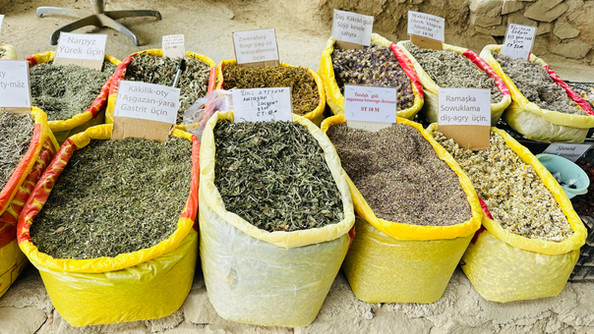
We continued on to a small mountain town called Nokur. It is known for its quality woven silk and for the tasty local fruits and vegetables grown here. There is a small herbal remedy bazaar in the centre next to an ancient tree.





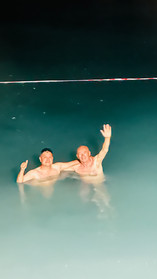
Our final stop before Ashgabat was the Kow Ata Underground lake. Stairs lead visitors down 55m underground to the sulphur smelling pool. The 38 naturally occurring minerals in the water are supposed to cure all sorts of medical conditions from kidney disease to the common cold. The one thing we had forgotten to pack when vacating Lolly was our bathers, so Colin joined Yasma in his boxer shorts (they needed a wash), while I had to bow out to be the photographer.









This was sadly our last day with Yasma, who had a tour with some other tourists booked the following day. When we reached Ashgabat he drove us to the tour company's offices so we could hand over our dollars and have a discussion about what had happened at the border. They had already agreed to a small discount on the tour price, and the general manager said they had contacted a local government official. We're not sure anything will change as a result of this, but he also said if our friends or family wanted to visit Turkmenistan they would offer them discount.
Yasma lives in Ashgabat, so we didn't want to keep him out late when he had to get ready to fly to another border to meet his new tourists early the following morning, so he took us to a popular restaurant for dinner before dropping us at our hotel. He is a lovely guy, and looked after us so well. He also found out he will be guiding Colin and Teresa on their tour in a couple of weeks time - they will be in their own left hand drive vehicle. He stressed that his work for us wouldn't finish until he was sure we'd been reunited with Lolly. The border he was heading to the following day was where Lolly was going to be left, so he was going to find somewhere safe for the keys to be left and liaise with our new guide. After we'd eaten we were assaulted by two crazy bears. The giant red panda took a particular shine to Colin.
While the hotel where we were staying at for two nights looked quite grand as we entered, we found there was no water in our room and barely any lighting. There was loud music playing in the bar/restaurant in the grounds which we were relieved went off before 11pm - sooner than the water came back on.


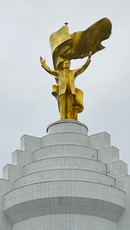
After some long intensive days driving, we were looking forward to a gentler day being driven around the main sites in Ashgabat, known as one of the most surreal cities in the world. The city had been rebuilt in Soviet style following a devastating earthquake in 1948, but the first President after Independence, Turkmanbashi, went on a big spending spree and created the modern white- marbled high rise city we see today. The city has numerous Guinness Book of Records awards- the highest density of marble buildings in the word, the largest falcon design feature (atop their airport), the largest horse head sculpture, and the largest indoor Ferris wheel.
Monuments are everywhere with political symbolism, cultural identity for the Independent state (Turkmenistan's policy of permanent neutrality was recognised by the UN in 1995), and to show the country's wealth and ambition with the natural gas reserves keeping the country rich.
Along with the dominance of white buildings, you will only see predominantly white cars in the city. Dark coloured cars are prohibited in the centre. Yasma said people are also fined if their cars are dirty. It's just as well we didn't bring Lolly here. Actually, we had realised we would have struggled to cover the miles on our itinerary in Lolly - we can only drive comfortably up to around 50mph, so we would never have kept up with Yasma. Maybe things are meant to happen?
We met our new guide, a young guy called Bartyr, in reception in the morning and we had a separate driver. While Bartyr was a lovely guy and we had some really interesting discussions about life in Turkmenistan and China where he has studied, he wasn't a professional guide, just picking up work for the tour company in between his permanent job. He isn't from Ashgabat, so we didn't feel we got as much information about the city as we would have from a local guide.
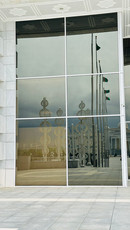
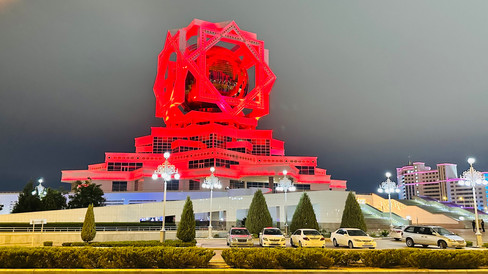
Our first stop was at the National Museum, where we were shown around the key displays by an excellent young guide. Outside the museum there was a huge flagpole (no longer the tallest in the world) and some monuments. Colin got told off for taking a photo of the guards who were changing shifts. He was asked to delete the photos. This happened to us at several locations during the tour. It's hard to convey on our photos just how empty the boulevards were around the city. The traffic lights and lampposts were white and gold. The big Ministry buildings all looked largely empty. We stopped to look at the Indoor Ferris Wheel - we're not sure why Bartyr was surprised we did't want to ride on it - what do you see on an indoor Ferris wheel?
We ended back at the same restaurant for lunch where we'd had dinner the night before. Our stomachs were both feeling a bit off - we wonder if it was just relaxing that had caused it. Luckily there was no sign of the mad bears.
Yasma had recommended a trip to the horse stables. Horses are deeply important in Turkmenistan and are closely tied to the country's history, culture, identity and national pride. The Akhal- Teke is one of the oldest horse breeds in the world. They are famous for their endurance, speed and agility, sleek coats and slender build (a bit like Colin without the sleek coat). The country even has a public holiday to celebrate it's love of horses (it also has pubic holiday festivals for carpets and melons). The current President and his father, the previous (2nd) president are horse fanatics, and you will see pictures and paintings of them with horses in buildings all over the country. Bartyr hadn't visited the stables before so the driver dropped us off there and we started to walk towards where we thought the stables were, but were met by someone who shooed us back out. They then started leading out a procession of horses. They were very beautiful. Bartyr said we could have a ride on the last one, but as clean clothes are a premium for us, we declined. As we were leaving, another guy appeared from no-where and said he wanted $20 for our 10 minute experience. Bartyr explained we'd not ridden one, but he said it was still $20. We were not impressed, and asked what exactly were we paying for. I wished I'd asked for a ticket or a receipt as I suspect it was being pocketed by this guy.

















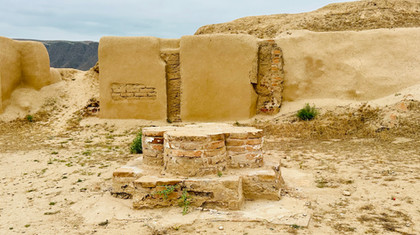
Once we'd finished our drive around the city sites, we were taken out of the city to visit the archaeological site of Old Nisa. We'd seen quite a bit of information on this at the museum in the morning. Nisa was the capital of the region from 300 BCE to 300 CE. The mud fortress has been renovated, but with no on-site signage it took a lot of imagination to understand how it had once been.

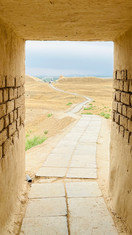



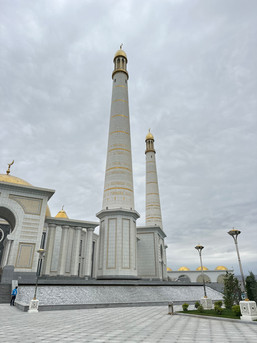
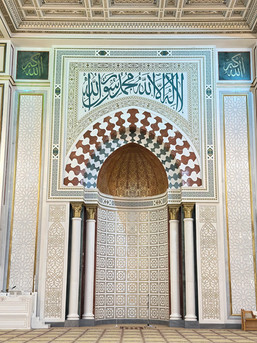
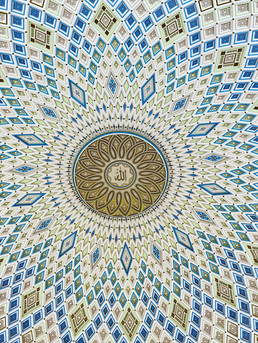
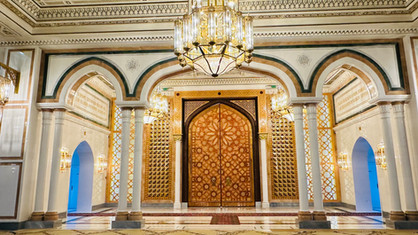
On the way back into the city we visited the grand Gypak Mosque, built in the Turkmenbashi era and taking up to 20,000 worshipers. It is of course built in white marble and is topped off with gold domes. Next to it is Turkmenbashi's Mausoleum where the first President is buried alongside his mother, two brothers and father.











We weren't wanting to go out for dinner in the evening, and we still had a tour of the night illuminations around the city later to come, so we had a couple of hours back at the hotel. I couldn't get any phone signal, but Colin had downloaded a Chinese VPN which meant he did manage to get WiFI in the hotel reception. He managed to track where Lolly was by using an AirTag that we have in her. We were relieved to see she was heading towards the border that we were expecting.




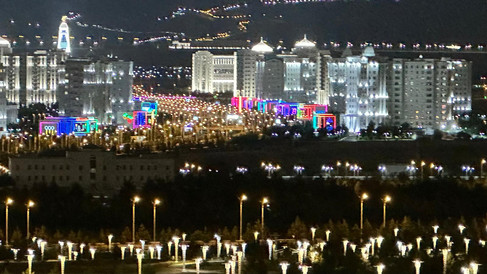
Our night tour was fairly brief, taking us up to a viewpoint above the city. Colourful, but not spectacular.






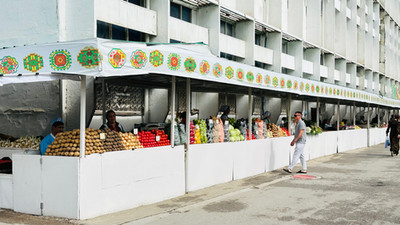
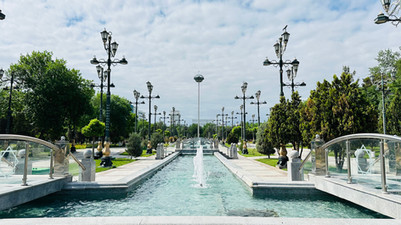
We actually had the following morning free to ourselves. We still weren't feeling 100%, but managed to go for a walk to some bazaars not far from the hotel. They weren't typically lively bazaars and again we were asked not to take photos. We walked through manicured but empty parks - where is everyone?
On our way back, Colin told me that he'd seen the same guy 4 times. He'd first seen him as we were coming out of one of the markets, and said he had stuck out due to having a large white splint of his hand. He then noticed him again in one of the parks as we had paused to look at a statue, and then when we were walking through another park, I was walking in the shade and Colin saw him walk past me, then he must have got ahead of us, as he was sat on a bench that we walked past.
We laughed at the thought we might have been followed, and how bad this guy was at being incognito.







We were being picked up at lunchtime to do an overnight excursion to the the Gates of Hell. A new driver appeared and he spoke excellent English. He warned us the road out to the crater was very rough, but we knew it wouldn’t feel any worse than what we’ve done especially in his nice plush Toyota Prado.
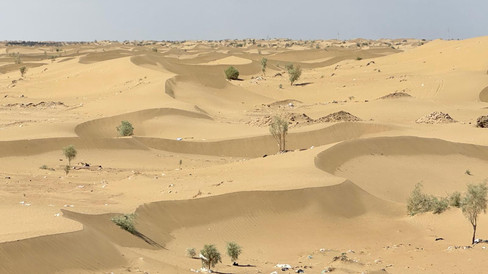
We had a few brief stops on the 4 hour journey. The first at a crater containing water, the second a mud crater which has a few flames in it and a brief stop at a village where there was a war memorial.
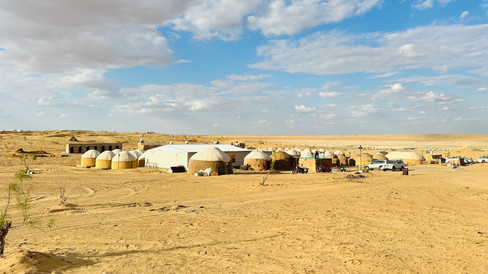
We finally reached the crater where there were clusters of tourist yurts set back in the dunes. Our driver took us up to our camp which was on the outer edges which was good as we felt it should be more peaceful.
We had a walk down to the crater, but we wouldn’t get the full effect of it until it was dark. Our driver was preparing dinner for us, so we watched the sun set over the desert first.
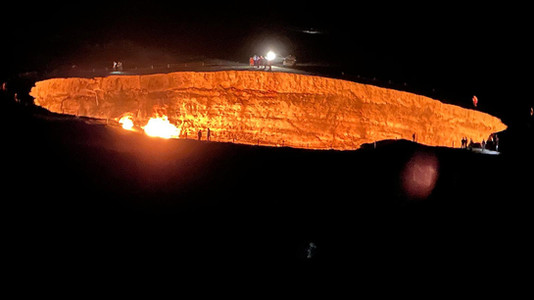
The Gates of Hell (also called the Darvaza Gas Crater) is a huge burning crater in the middle of the Karakum Desert in Turkmenistan. It is one of the country’s most famous landmarks and among the world’s most unusual geological attractions.
The crater is a collapsed natural-gas cavern that has been burning continuously since 1971 when Soviet drilling operations accidentally opened up a natural gas cavern. Engineers set light to the escaping gas assuming it would burn out within a few days or weeks. Of course, this is in the Guinness Book of Records for being the longest burning methane crater It measures roughly 60–70 metres across and about 30 metres deep. Hundreds of small methane-fed flames flicker across its floor and walls, creating an intense orange glow visible from far across the desert at night. Our driver said it may not exist for much longer after this year. The fires are definitely less intense than they were in years gone by, probably as a result of the authorities drilling wells nearby to capture some of the gas that would have normally fed the crater. They also say there are environmental issues, but being cynical I can't see them closing down one of their biggest tourist draws.




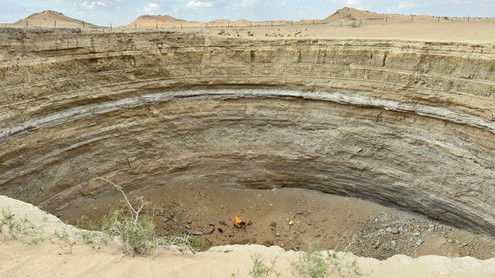










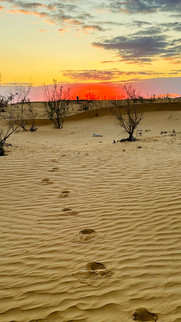


After dinner we walked back down to the crater which gave off a stunning glow in the middle of the dark desert. It was busy with Instagramming tourists, and we watched a lady in a long dress have a photo shoot and an American guy being interviewed by a film crew.
We had a nice quiet night in the yurt, even though the beds were like sleeping on a concrete slab.





The next morning we headed back towards Ashgabat, but at a main road junction, we switched cars, with Bartyr and the new driver taking us on to our last place on our itinerary, the ancient city of Merv, one of the most important ancient cities in Central Asia.
Merv was a key stop on the Silk Road connecting China, the Middle East and Europe, with merchants, scholars and travellers all passing through it. In it's heyday in the 12th Century it was one of the largest cities in the world. However, in 1221 Genghis Khan carried out a huge massacre that ended the city's glory years.
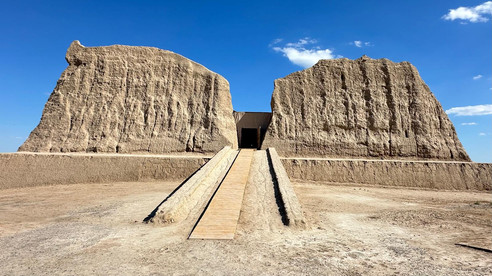
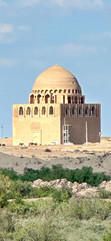
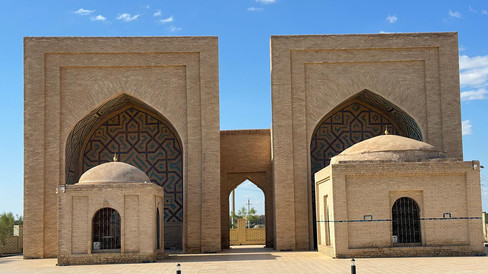
The archaeological site spans quite an area, but we visited the structures on most tourist itineraries - the impressive 6th Century Gyz Gala Fortress which has been partly restored, a modern mausoleum with some nice tiling, then finally the 12th Century Sultan Sanjar mausoleum which had very ornate decorations inside.










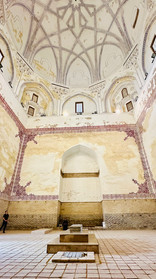





Our hotel was in the nearby town of Mary. Bartyr was staying with a friend here, so Colin and I ended up eating in the hotel garden and enjoying our first cold beer of the week. The hotel was the most modern and comfortable we'd been in this week.





The following morning we had a two to three hour drive to the border with Uzbekistan. Bartyr called in to a hotel where the keys had been deposited and we were anxiously hoping Lolly would be in good shape. We found her in a car park next to the Turkmenistan border - a flat tyre being the first thing we spotted. The driver had asked if he could let some air out of the tyres to help load her, but it would seem he'd ovedone it on one tyre. Thankfully Colin, with the help of our driver, managed to get the rim to seal again and it inflated with no problem. Everything looked fine inside as well - a huge relief.

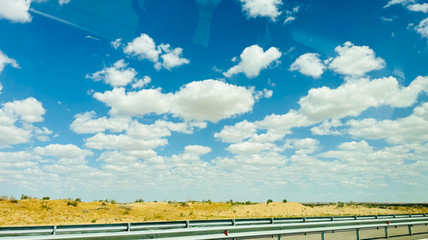



We hoped exiting Turkmenistan would be straight forward, although we were prepared to be asked for more money for some spurious reason or another. I had to go through on foot which was very straightforward getting my exit stamp, while Colin and Bartyr drove Lolly through.
A soldier pointed them to a building. The first man inside told them that they were in the wrong building and pointed them to another building across the yard. The man in that building sent them back to the original building. There were three people at the desk, one being fast asleep. A lady looked at the paperwork and said Lolly had not been registered into the country ??!!**. She then took them to another office so she could register Lolly, so she could then de-register her. Colin showed them all the paperwork that showed she had in fact been registered. The two border guards had a row with each other. A man from the customs office said he'd do a full inspection of the truck. Colin pointed out that we had not used the truck in his country. He came inside Lolly with Colin, said 'lovely' and told Colin to go. Sadly at this point Bartyr was kicked out, so we didn't have a chance to say a big thank you to him for looking after us for four days and wish him luck with his future whichever way it takes him.
As we exited the Turkmenistan border control, we had one last very cheerful checkpoint. As we headed into no-mans land we had a little whoop of elation to be back in Lolly and a sense of our own destiny again.
We asked ourselves, would we have done this trip into Turkmenistan if we had known how difficult and costly it was going to be. It certainly confirmed what we were expecting about it being a highly unique and unusual country, with it's tag for being one of the least visited countries in the world.
We had to cover long distances around this country which is 70% desert, and while there may not be the volume of big draw attractions, the Canyon and the Gas Crater were unique highlights, and just seeing the weird and wonderful city of Ashgabat was an experience.
Colin has described the Turkmenistan as a country with no sense. While the country has enormous wealth from it's gas reserves, it feels like the money is being used on vanity projects like new cities, while the average citizen has to exist on low income with housing, healthcare and education all being prime concerns for them. For a low population country, quite a large proportion work overseas where they can get a much better wage to send home. Saying that, we never heard any complaints - the people were all friendly and hospitable, and come across very proud of their culture, history and traditions and seem confident the future is bright for the country - we sincerely hope it is.


I’ll have to go back and now read this story all over again, as first I had to ‘fast forward’ to the end to make sure that Lolli was collected safely ,,, minus some air in the tyre 🛞 … good effort Colin and Liz ,,, G and L x